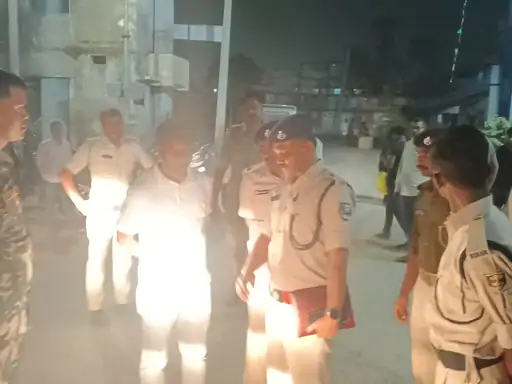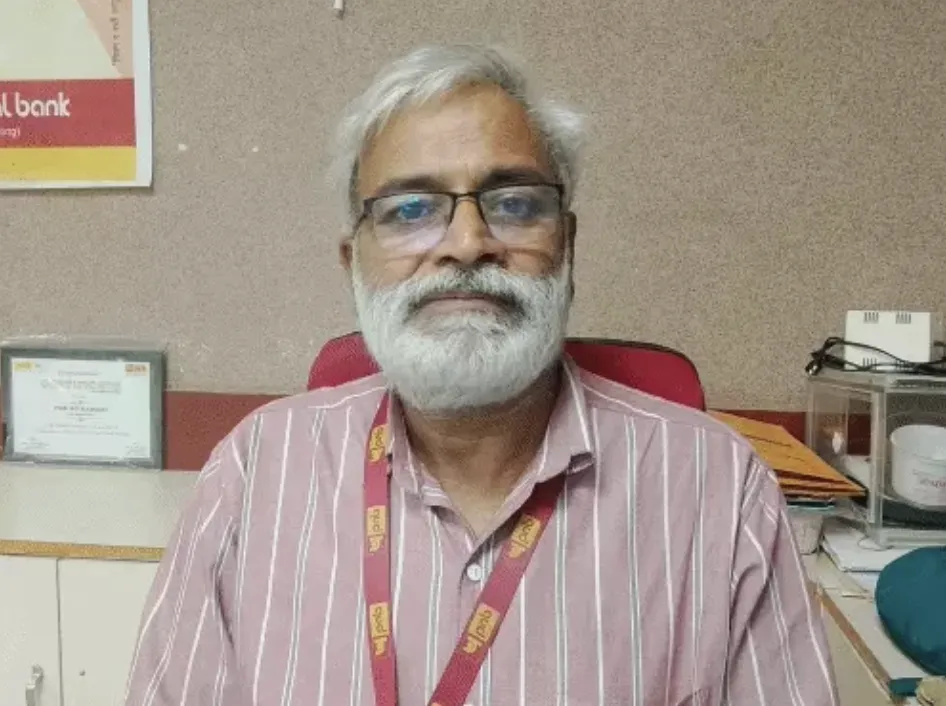
Punjab National Bank Manager saved a young man’s Life in the branch in Rajasthan. A young man suffered a sudden heart attack inside a Punjab National Bank branch in Bawdi Gram Panchayat in Jajod (Khandela) on Thursday. The quick action and presence of mind shown by the bank manager saved his life.
Young Man Fell Unconscious Inside Bank
According to reports, Pradeep Bagadia, son of Shyam Lal Bagadia, had come to the bank along with his father for some banking work. While they were inside the bank premises, Pradeep suddenly started feeling unwell. Within moments, his condition worsened and he fell unconscious. He was also experiencing difficulty in breathing, which created panic among the customers and staff present in the bank.
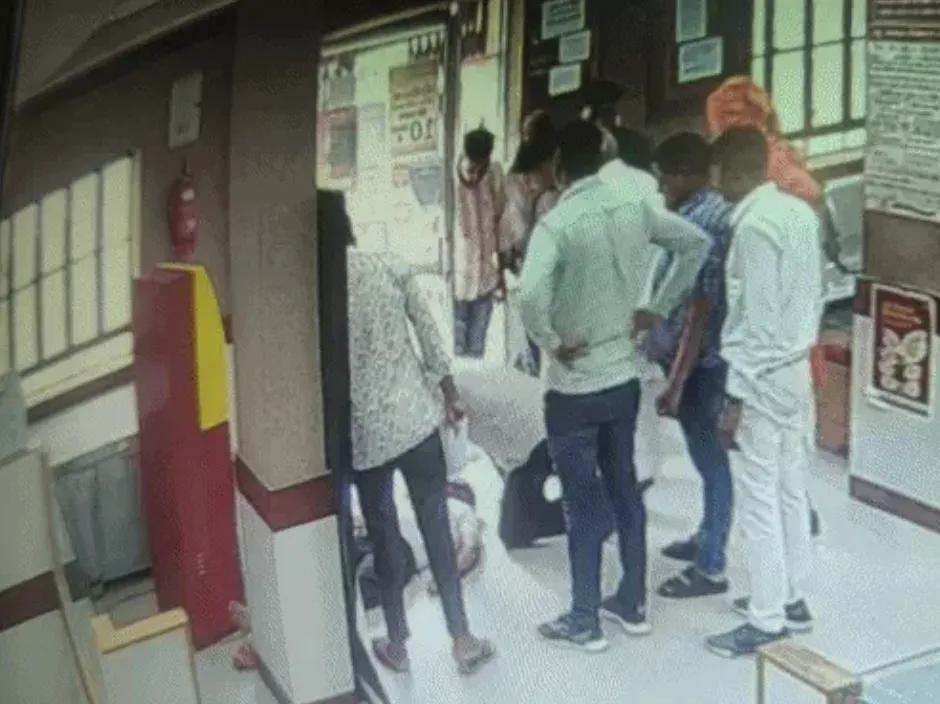
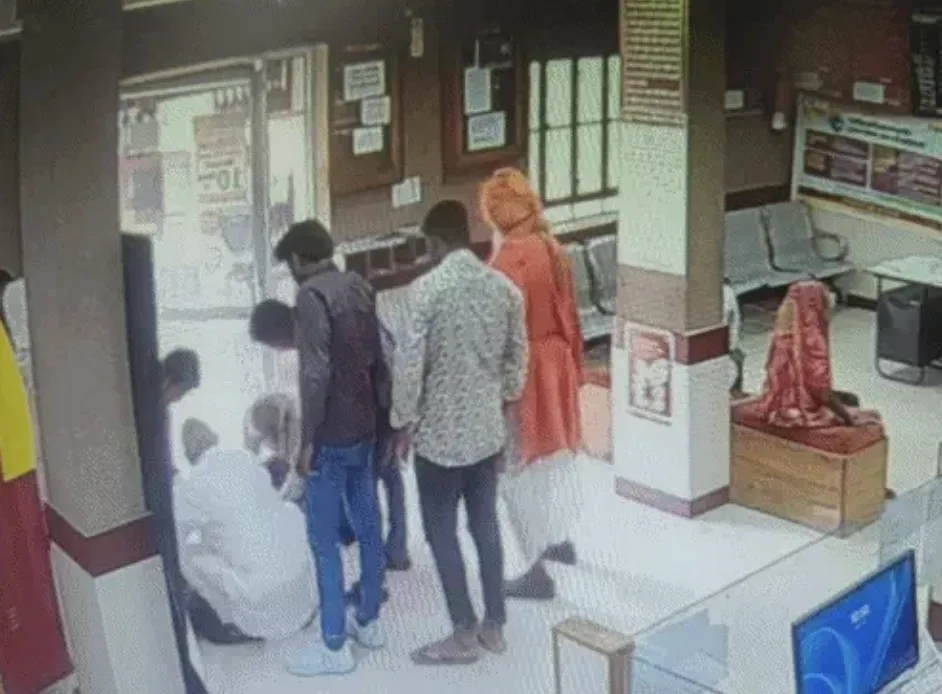
Bank Manager Immediately Gave CPR
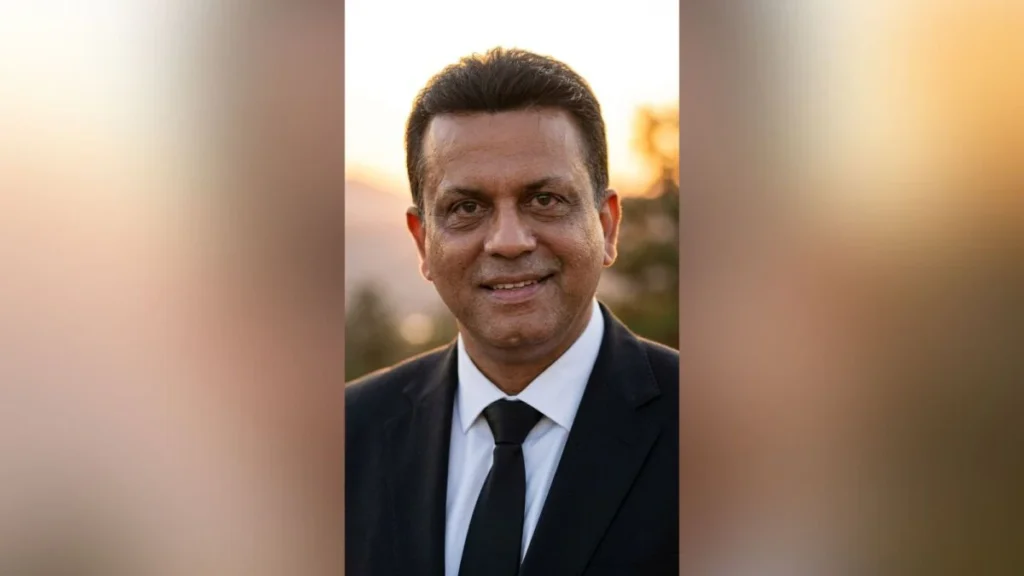
Seeing the seriousness of the situation, the branch manager of Punjab National Bank, Praveen Tiwari, acted quickly. Without wasting any time, he started giving CPR to the young man inside the bank. After several minutes of continuous CPR, Pradeep slowly began breathing again. This brought relief to everyone present at the bank.
Heart Attack Crisis in India (2025)
Heart disease has become India’s leading cause of death in 2025.
It now accounts for around 33% of all deaths, compared to about
22% a decade ago. India also contributes nearly
20% of global heart attack deaths, and cases are rising by about
2% every year, increasingly affecting younger people.
Key Findings on Heart Attack Data
- High Mortality: Cardiovascular diseases are the leading cause of death in India, responsible for more than 30% of all deaths.
- Youth Impact: Nearly half of all heart attacks in Indian men occur before the age of 50, with a sharp rise among people aged 25–45.
- Causes & Trends: The increase in heart problems is linked to hypertension, sedentary lifestyle, lack of physical activity, and unhealthy diets. Between 2023 and 2024, cities reported a 55% rise in emergency calls related to heart issues.
- Regional Trend: In 2023, Gujarat alone recorded 66,397 emergency calls related to heart problems between January and November, with 2,853 heart-related deaths reported.
Explained: What is CPR?
CPR (Cardiopulmonary Resuscitation) is an emergency life-saving technique used when a person’s
heart stops beating or when they stop breathing. CPR helps maintain blood flow and oxygen supply to the brain
and other vital organs until medical help arrives.
CPR can double or even triple the chances of survival if it is given immediately after a cardiac arrest.
When is CPR Needed?
- When a person suddenly collapses and becomes unconscious
- When the person is not breathing or breathing abnormally
- During a heart attack or cardiac arrest
- After drowning, electric shock, or severe choking
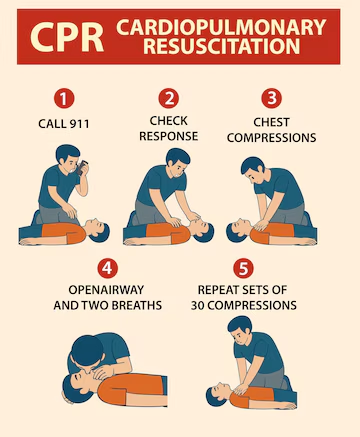
Basic Steps of CPR
- Check if the person is responsive and breathing.
- Call emergency services or ask someone nearby to call for help.
- Place the person on their back on a firm surface.
- Press hard and fast in the center of the chest (chest compressions).
- Continue compressions until the person starts breathing or medical help arrives.
Important: Even basic CPR performed by a bystander can save a life before doctors arrive.
After regaining breathing, the young man was immediately taken to a nearby hospital for further medical treatment. Doctors at the hospital said that the timely administration of CPR played a crucial role in saving his life.
Villagers and Customers Praise Manager
Customers and villagers who witnessed the incident praised the bank manager for his quick thinking and prompt action. They said that if CPR had not been given immediately, the situation could have turned much more serious. The incident has been widely appreciated in the area, with many people praising Praveen Tiwari for his alertness and life-saving effort.