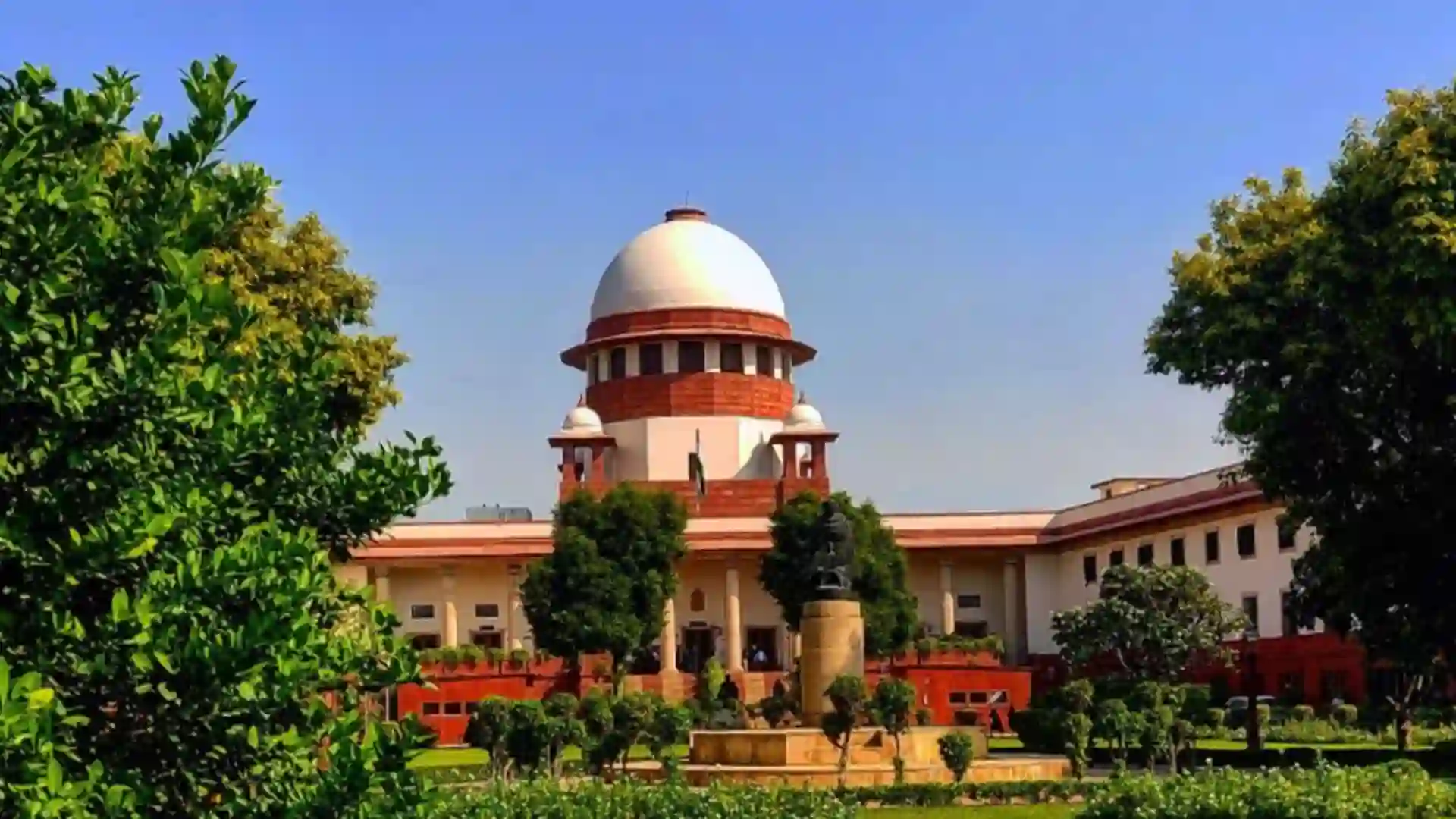
The Supreme Court said that banks must follow the instructions given by their customers. A bank cannot change or divert money on its own. The Court held Canara Bank responsible for wrongly sending USD 100,000 to another party.
A bench of Justice JB Pardiwala and Justice R Mahadevan dismissed the bank’s appeal. The Court agreed with the decision of the Madras High Court. It ordered the bank to compensate Archean Industries Pvt. Ltd. for the wrong transfer.
The case started from a 1998 transaction. A Dubai-based company, Goltens, had repaired a ship called Master Panos. The payment for the repair work was not made. Later, an agreement was reached to pay USD 100,000 as part of the settlement.
At the same time, Archean Industries made a shipping agreement with the ship owner to transport granite. It was decided that part of the freight payment would be given to Goltens to clear the repair dues. Archean agreed to keep this amount and promised to pay Goltens when the ship reached Newark.
After the ship arrived, Archean told its bank, Canara Bank, to send the money to Goltens. It also submitted all required documents. However, the bank made a mistake and sent the money to the ship owner’s account in the United States instead of Goltens.
Even after many requests, the payment was not corrected. So, Goltens filed a recovery case against both Archean and the bank.
Archean then approached the Supreme Court. It argued that its “corporate guarantee” was not a legal guarantee but only a payment arrangement. It also said it had completed its duty by giving instructions to the bank. According to Archean, the mistake was made by the bank, so the bank should be responsible.
On the other hand, Canara Bank argued that it was only an authorised foreign exchange dealer. It said it could not send money to a third party without approval from the RBI. It also tried to justify its action based on the business agreement.
The Supreme Court rejected the bank’s arguments. It clearly said that once a customer gives instructions, the bank must follow them. If there is any doubt, the bank should ask for clarification. It cannot act on its own.
The Court also said that even if RBI approval was needed, the bank should have waited. It should not have sent the money to someone else. The money belonged to the customer, and the bank had no right to change the instructions.
The Court also said that the bank was not part of the shipping agreement. So, it could not use that agreement to justify its mistake.
The Court noted that the bank accepted its mistake but did not fix it in time. It upheld the High Court’s decision. It said Archean must pay Goltens, but Archean can recover the money from the bank.
The Court also rejected Archean’s claim that the “corporate guarantee” was not a real guarantee. It said the document clearly showed a promise to pay another party’s liability.
The Court explained that a guarantee is a separate legal contract. Once given, the person giving the guarantee is legally responsible.
It also said that under the law, the guarantor’s liability is equal to the main borrower. The creditor can directly recover money from the guarantor. The Court found that Archean had acted based on the guarantee. So, it cannot deny its responsibility now.
Finally, the Supreme Court found no error in the High Court’s decision and dismissed both appeals.