From the West Asia war to the LPG crisis back home, to the second leg of a stormy Parliament session. These were the stories that made headlines in the Urdu dailies and marked their commentary pages over the week. As battle lines were drawn for the Assembly elections in four major states and one Union Territory (UT) with the Election Commission (EC) announcing their calendar, the dailies also shifted their lens to focus on what is going to be a gruelling political summer.

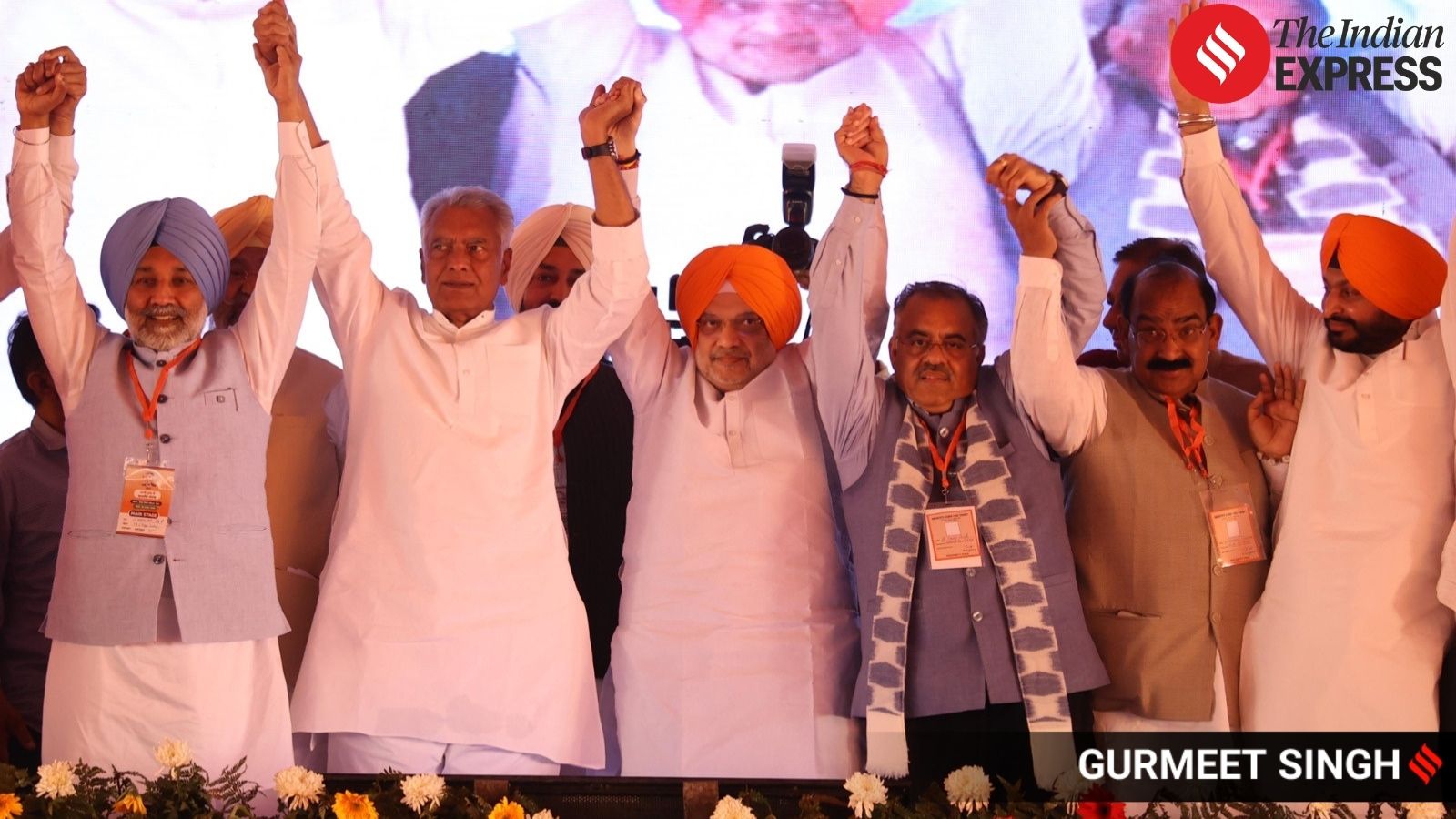
Highlighting the EC’s announcement of the Assembly poll schedule in four states — Assam, Kerala, Tamil Nadu and West Bengal — and the UT of Puducherry, the Mumbai-based Urdu Times, in its March 16 editorial, points out that while multiple states have gone to polls since 2022 — ranging from Uttar Pradesh to Haryana, Maharashtra and Bihar — the BJP has clinched most of them, even pulling off upset victory in some states. Rahul Gandhi levelled “vote chori” allegations against the BJP and the EC, and the Opposition held protests, but the Supreme Court refused to entertain a plea seeking an SIT probe on the issue, it says. “The upcoming elections are thus critical for the Opposition parties, which are in power in all these states except Assam. The BJP is mainly focusing on Bengal though, which it wants to bag at any cost.”
The editorial claims that the BJP has yet to be a major player in Kerala and Tamil Nadu, where the party is trying to make inroads through regional alliances. “However, Bengal remains a priority for the BJP, where Prime Minister Narendra Modi and Union Home Minister Amit Shah have already started campaigning. They are announcing big proposals for Bengal, with the PM calling the Mamata Banerjee-led Trinamool Congress (TMC) regime ‘jungle raj’,” it says, adding that the “ground situation” in Bengal is different though. “Mamata’s popularity among the masses and her connect with the grassroots seem to remain intact. Also, she is a fearless leader who does not pull her punches while standing up to counter the BJP,” the edit says.
As regards Assam being ruled by the BJP under Chief Minister Himanta Biswa Sarma, the Congress may have a chance to win it back if it could stitch up an effective coalition of regional and secular parties, the daily writes. “But the Congress needs to display leadership, strategy and sagacity in its battle against the BJP in Assam. The Badruddin Ajmal-led AIUDF should support the Congress. The BJP’s polarising politics appears to have run its course in Assam with its voters seeking a return of real issues like development and welfare,” it says. “Muslims and women would play key roles in determining the outcome of the upcoming elections, which would shape the roadmap of national politics ahead. If the Opposition manages to secure an upper hand in these polls, it could go on to put up a formidable challenge to the BJP at the national level too.”
SIASAT
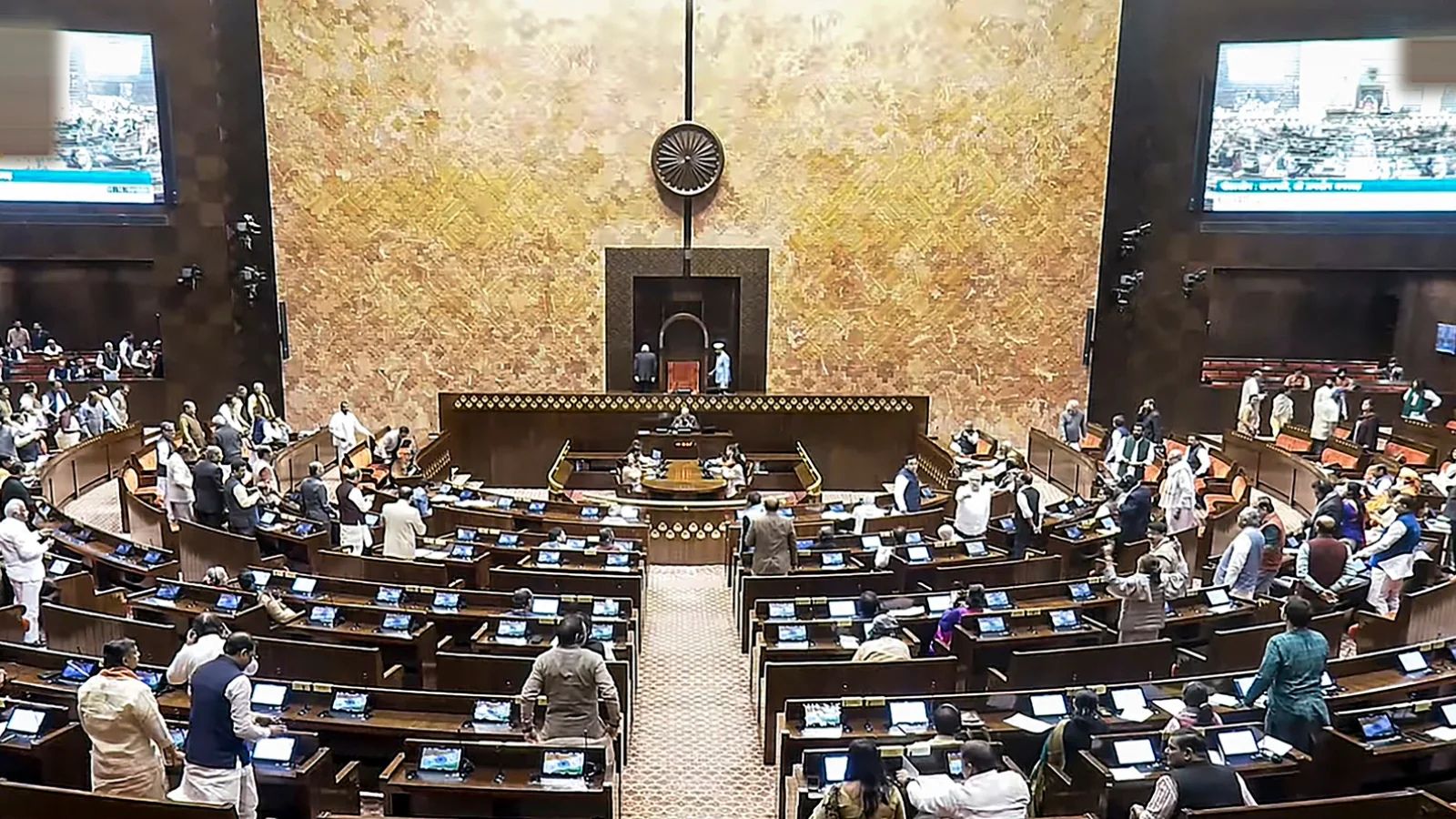
Commenting on the move by about 193 Opposition members from both Houses of Parliament to submit a notice for an impeachment motion against Chief Election Commissioner (CEC) Gyanesh Kumar, the Hyderabad-based Siasat, in its March 14 editorial, points out that this has come days after the Opposition’s no-confidence resolution against Lok Sabha Speaker Om Birla was defeated in the House. “The Opposition benches had concerns over the conduct of Speaker Birla whom they accused of being partisan and not allowing them to raise issues. Similarly, they have been dissatisfied by CEC Kumar’s performance and alleged that he has turned a blind eye to their concerns and has taken measures to benefit the BJP,” it says, adding that 130 Lok Sabha MPs and 63 Rajya Sabha members have signed the notice seeking the CEC’s impeachment.
Noting that the EC is an independent institution, the editorial says it is the poll body’s constitutional mandate to conduct free and fair elections. “However, the Opposition has been consistently accusing the EC of allegedly undermining its constitutional role and operating in a bid to favour the BJP dispensation,” it states, adding that the impeachment notice against Kumar has not only been sponsored by the INDIA bloc but also backed by the AAP and some Independent MPs, who are not part of the Opposition grouping.
“The impeachment notice lists seven charges against Kumar, including alleged ‘partisan and discriminatory conduct in office’, ‘deliberate obstruction of investigation of electoral fraud” and ‘mass disenfranchisement’. It also accuses the CEC of allegedly aiding the BJP, especially through initiatives like the Special Intensive Revision (SIR) of electoral rolls,” the daily states. This is to be seen when and how the notice is taken up by the two Houses, but the Opposition camp has clearly taken its stand. “While the BJP-led NDA enjoys numerical supremacy in both Houses, which would scuttle the Opposition’s bid to unseat Kumar like it did in the Birla case, the Opposition managed to flag the issue prominently in Parliament, which marked the first time such a notice was moved against the CEC,” the edit adds.
INQUILAB
Flagging the LPG crisis gripping India in the wake of the US-Israel’s war against Iran, the New Delhi edition of Inquilab, in its March 11 leader, points out that the West Asia conflict has not only affected the global economy but has also sparked an unprecedented cooking gas scarcity in India and other South Asian nations. The consequences of this raging war have reached the households and business units across India, affecting daily life in the country, says the editorial. “India depends on the Gulf region for a bulk of its requirements of crude oil and gas, which are imported through the Strait of Hormuz. This critical shipping passage has now been choked due to the hostilities, which has also derailed the LPG supply in our country.”
The edit points out that several states in India have been reeling from an acute shortage of LPG. “In many cities, the disruption in the supply of commercial LPG has led to many eateries, restaurants and vendors shutting their shops. Even domestic consumers have been facing a tough time,” it notes. While the Centre has intensified its efforts to deal with the situation, with inter-ministerial meetings being held regularly to find ways to defuse the crisis, people have yet to get relief, which is reflected by their long queues before gas agencies everywhere, the edit says. “Some elements are profiteering from the shortage, indulging in hoarding of cylinders and black marketing, which has exacerbated the agony of people.”
While it has been a few weeks since the war broke out, its fallout has already roiled the world’s energy markets, the daily writes. “The global fuel price has been surging, leading to an increase in its price in India too. If it turns out to be a long war, its implications for India would be devastating. Any spurt in fuel prices would affect people’s household budgets, aggravating their hardships, while also hurting small businesses and eateries,” it states. The onus is on the government to not only intensify its efforts to secure alternative channels of energy supply, but also ensure fairness and transparency in the country’s fuel market. “If the authorities do not promptly curb hoarding and black marketing of LPG in the country, it would further shake public confidence. The government must stand by the people in these difficult times,” the edit adds.