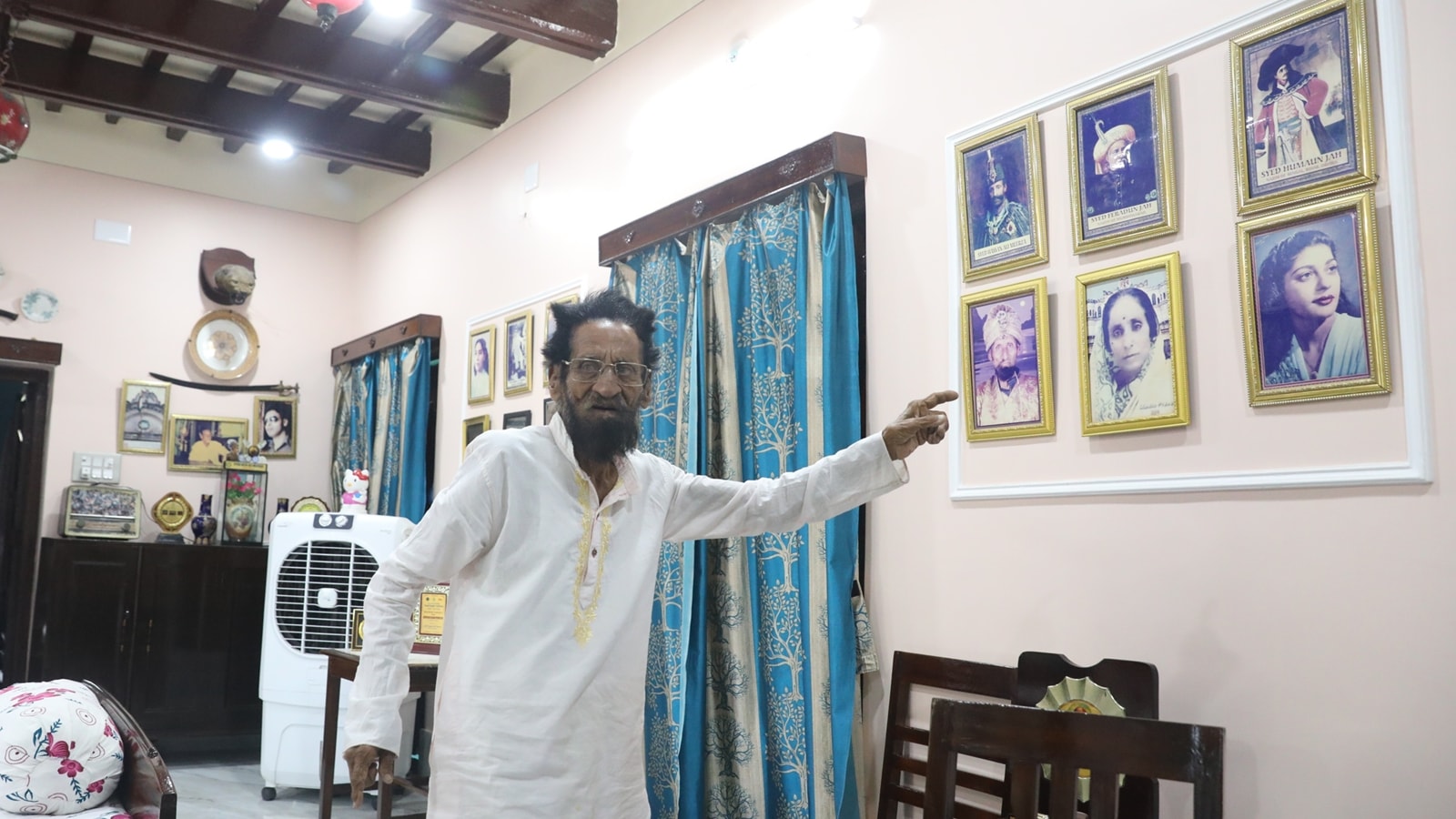
Sitting on a bed in his home in the historic Lalbag area of Murshidabad district in West Bengal, 82-year-old Syed Reza Ali Mirza points towards a wall of photographs of the erstwhile Nawabs of Bengal.
Reza, known locally as “chote nawab”, and his son Syed Md Faheem Mirza, 42, are among many whose names have been deleted from the electoral rolls after the adjudication process, which was undertaken to address “logical discrepancies’ in the Election Commission (EC)’s Special Intensive Revision (SIR) exercise in the state.
Reza and Faheem are the descendants of Mir Jafar, the commander-in-chief of Nawab Siraj ud-Daulah’s army, who went on to become the Nawab of Bengal, Bihar and Odisha after siding with the British in the 1757 Battle of Plassey.
The “chote nawab” and his son and daughter-in-law are among more than 150 descendants of the 18th century Bengal Nawabs, residing in Lalbag, whose names have been omitted from the state’s voter list after adjudication. Lalbag falls in the Murshidabad Assembly constituency, which will vote in the first phase of the elections on April 23.
“What can I say? I am shocked. My name, my son’s name and the name of my daughter-in-law were removed. But my wife’s name is on the list,” Reza says.
“What is sad is that my last wish was to be buried along with my ancestors here. With my name deleted from the voter list, where will I go? Our ancestors, the Nawabs, have built parts of Murshidabad, including Lalbag. Main isi desh ki mitti mein dafan hona chahta hun (I want to be buried in the soil of this country),” Reza says.
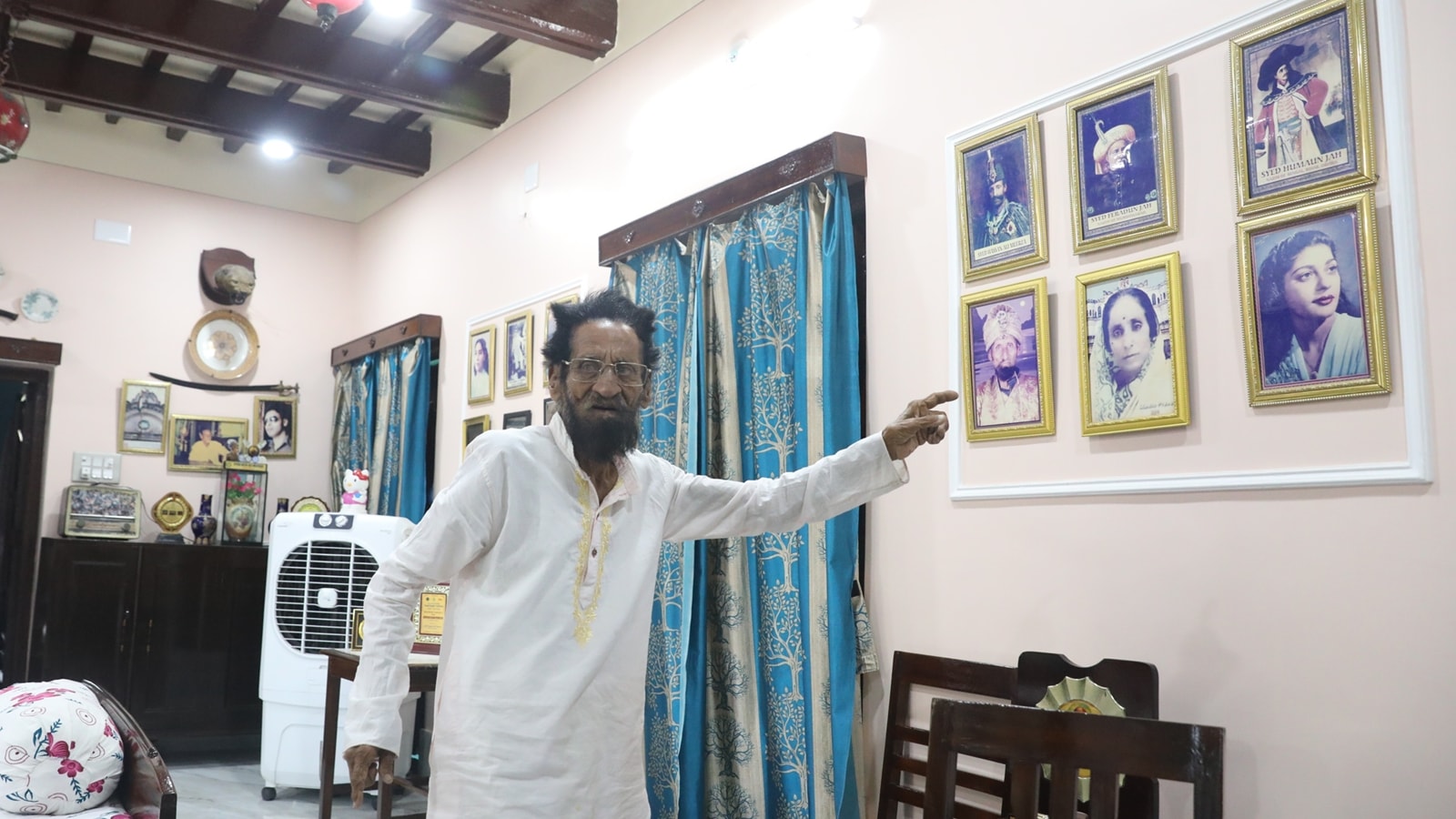 Mir Jafar descendants-Syed Reza Ali Mirza shows photographs of his ancestors at his Lalbag home in Murshidabad district. (Express photo by Partha Paul)
He breaks into tears while speaking about the Jafarganj cemetery in Lalbag, which has had over 1,100 graves of his ancestors.
Story continues below this ad
Faheem, who teaches at a local government school and is a Trinamool Congress (TMC) councillor in the Murshidabad Municipality, says that the members of his family were summoned for hearings over the SIR in December.
“My father and I both voted in 2002. We got notices during the SIR and went for a hearing in December at a local government college. We stood in a long queue. People showed us respect and wanted my father to be at the front. He refused. We submitted all the documents. While my father submitted all his papers, including him being a retired state government employee, I also submitted my documents, including the admit card of my (Class 10) examinations. But a few days back, when the supplementary electoral list came, we saw our names were deleted,” Faheem says.
“Our family members reside in booth number 121 and 122. About 350 electors of these two booths, out of around 1,600 electors each, were deleted. Among them, around 150 electors are our relatives and family members who have been deleted after adjudication. Now, we are all looking up to the tribunals (to appeal the adjudication decision). However, they have yet to be set up,” Faheem says, adding that “Online tribunals have started, but they are not taking any documents, so we are not applying there and waiting for physical submission.”
He also says: “After Independence, when Bengal was partitioned, one of our ancestors, Syed Feradun Jah got an offer to go to East Pakistan, but he decided to stay back in India. Now, being a descendant of that person, we are getting excluded from our basic right of voting,” Faheem adds.
Story continues below this ad
The SIR in Bengal concluded on February 28, with the final voters’ list seeing over 63 lakh deletions or 9% of the total electorate and over 60 lakh voters (8.5%) being placed “under adjudication”.
Judicial officers appointed by the Supreme Court have been reviewing the eligibility of the electors listed under adjudication. The highest number of cases pending adjudication were in the Muslim-dominated Murshidabad district (11 lakh), followed by Malda (8.28 lakh), South 24 Parganas (5.22 lakh) and North 24 Parganas (5 lakh). Jhargram and Kalimpong had the fewest pending cases at 6,682 and 6,790 cases, respectively.
According to EC sources, about 40 lakh of the cases under adjudication have been disposed of so far, of which around 16 lakh names have been deleted.
